
Leigh Henry
WWF US
Photo © Chris Johnson

Leigh is the Director, Wildlife Policy at WWF US, based in Washington DC.
Leigh leads policy efforts related to wildlife conservation in the United States. Since joining the WWF family in 2001, Leigh’s work has focused heavily on wildlife crime, marine species conservation, and spearheading WWF’s engagement in CITES (Convention on International Trade in Endangered Species) and the International Whaling Commission. She has played a key role in our efforts to combat illegal tiger trade and to ensure the survival of wild tigers through improved international and U.S. policies, and is currently leading the WWF network’s efforts to phase out tiger farms.
She was a core member of the WWF network’s Stop Wildlife Crime campaign, which helped to secure unprecedented global and U.S. leadership to end poaching and wildlife crime, as well as WWF’s campaign to save Mexico’s critically endangered vaquita porpoise. Leigh remains committed to ending the threat posed by bycatch and entanglement in fishing gear to the world’s whales, dolphins and porpoises – the same threat that has driven the vaquita to the brink of extinction.
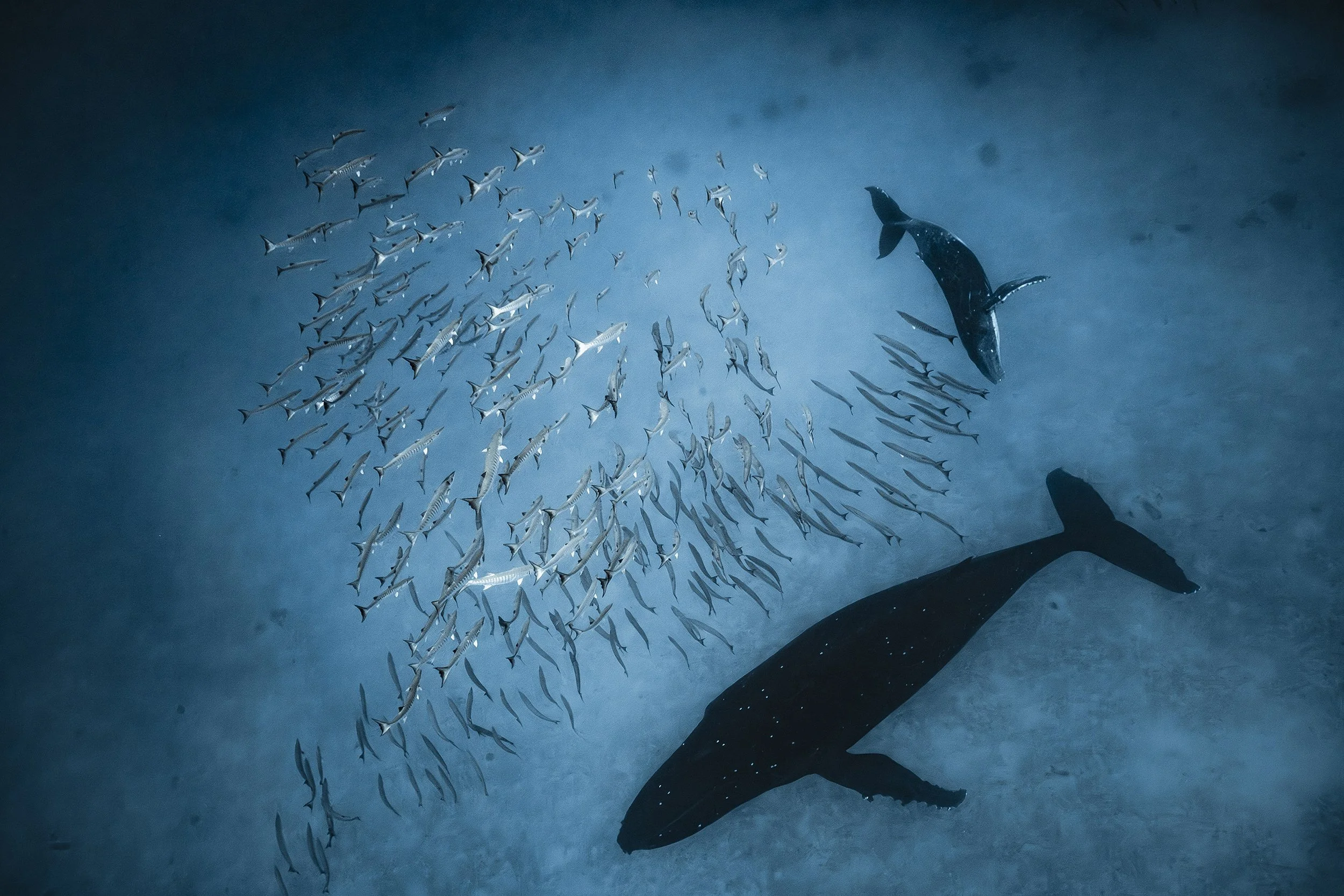
A new report launched today ahead of the Pacific Islands Forum is calling for coordinated action to protect the ocean migration routes that connect whales, dolphins and communities across the Pacific.
Western Pacific Blue Corridors uses satellite tracking and other data of whale movement with local cultural knowledge and stewardship to show how migration routes and critical habitats increasingly overlap with threats such as fishing, shipping, underwater noise, pollution, under-regulated tourism and a changing climate.
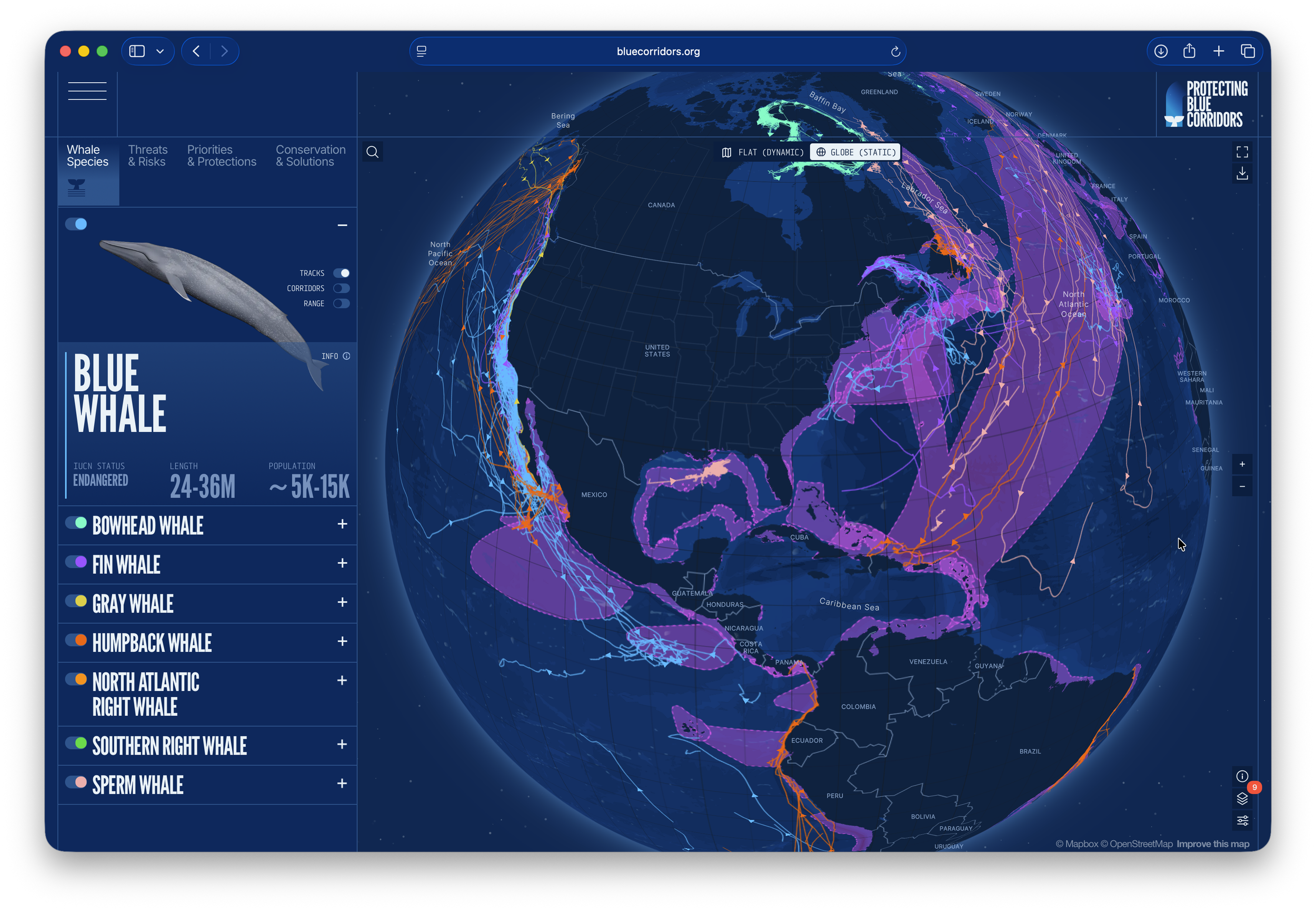
BlueCorridors.org has won a 2026 Webby Award in the Best Data Visualization category, recognising a global collaboration in bringing whale migration, growing ocean risks and conservation solutions to life online.
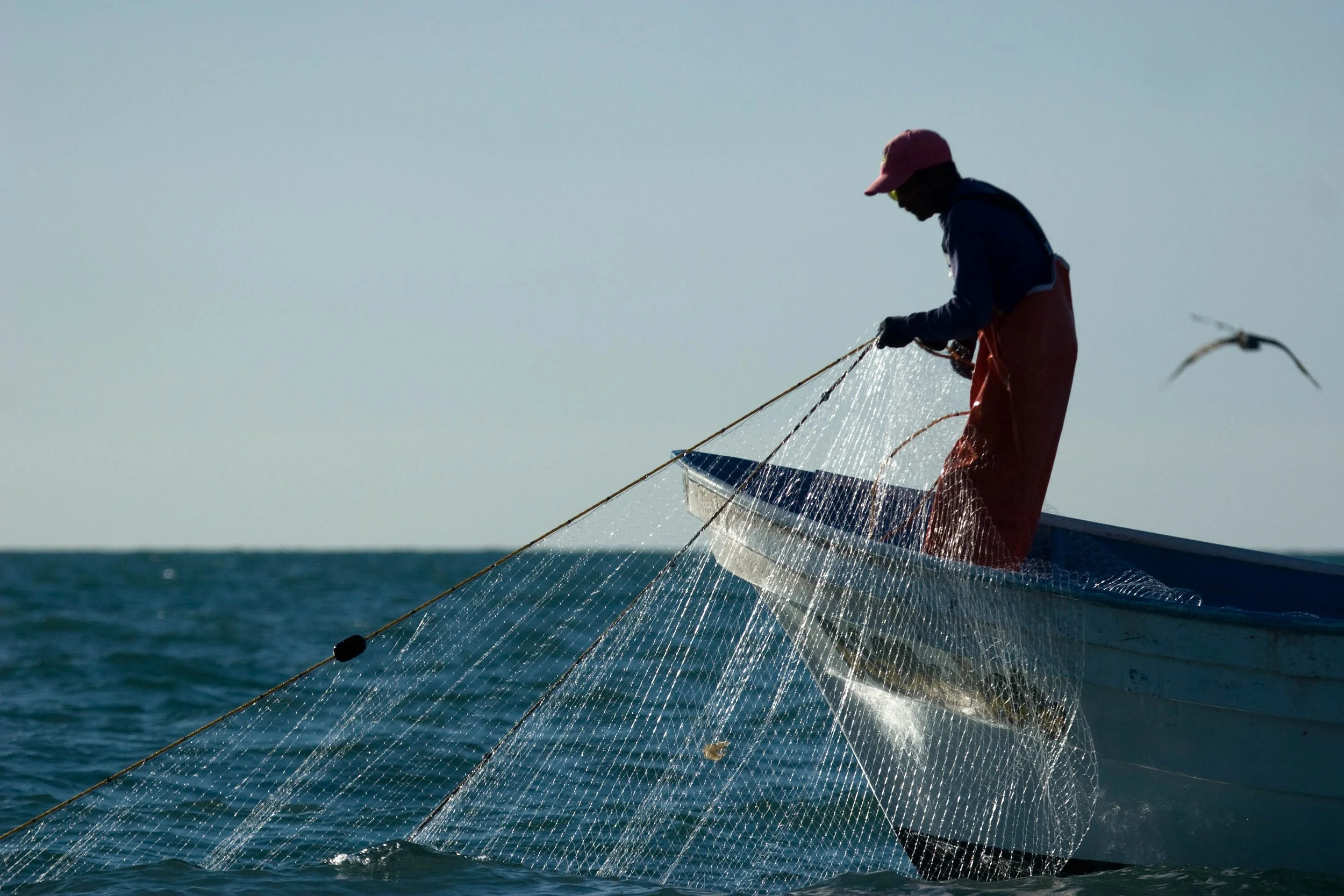
WWF is working with scientists and local fishing communities, such as in Peru and Indonesia, to trial new ways to reduce bycatch by attaching objects to gillnets. The general idea is to make the gillnets visible, highlighting them on a dolphin’s underwater map as it navigates the sea.
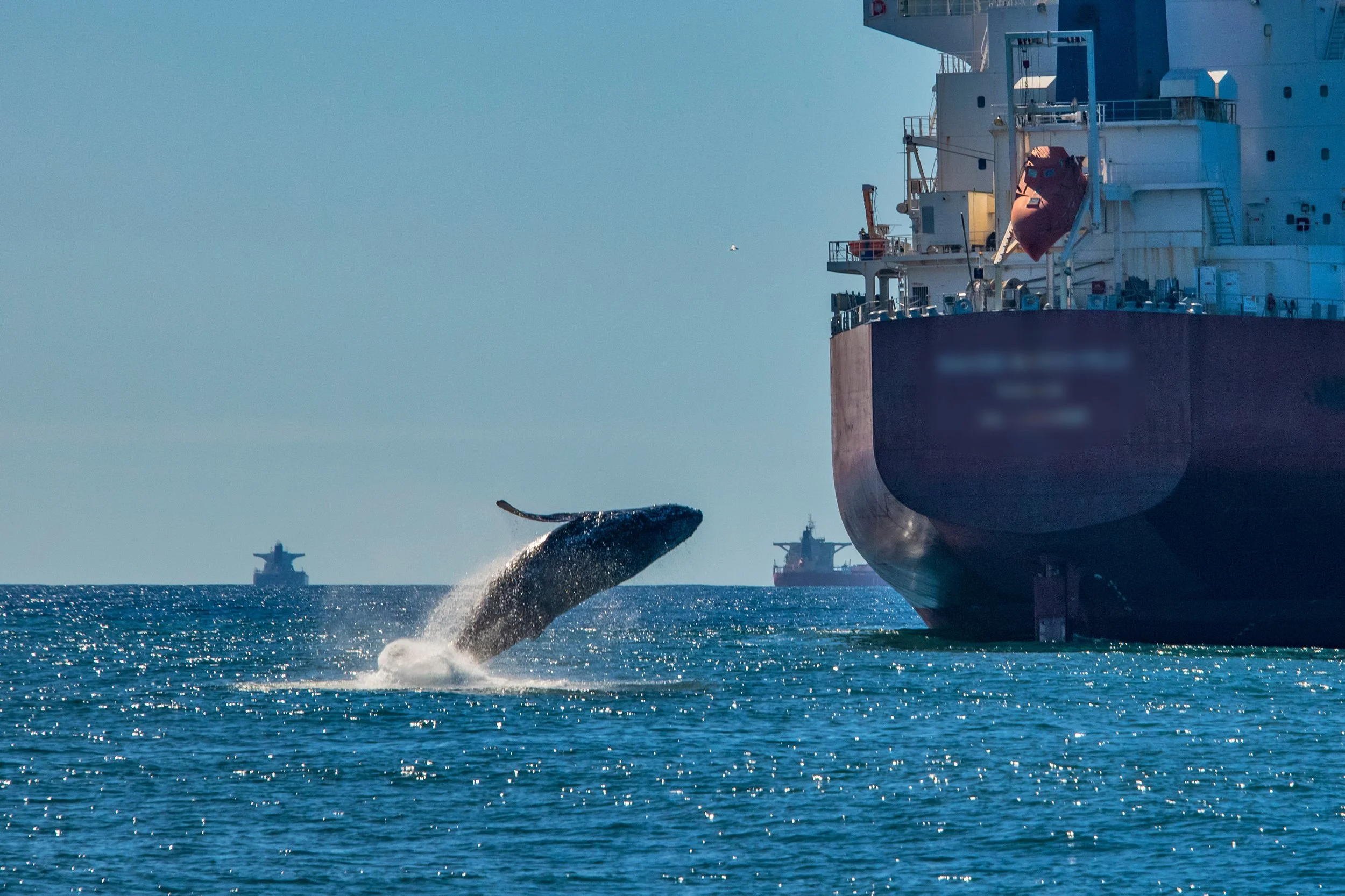
Have you heard of the ‘Blue Amazon’? Brazil’s massive coastline is a hotspot for marine life and, each year, whales travel thousands of kilometres to breed in its warm, nutrient-rich waters. A UN conference this month offers a key opportunity to strengthen protections for these whales and other migratory species.
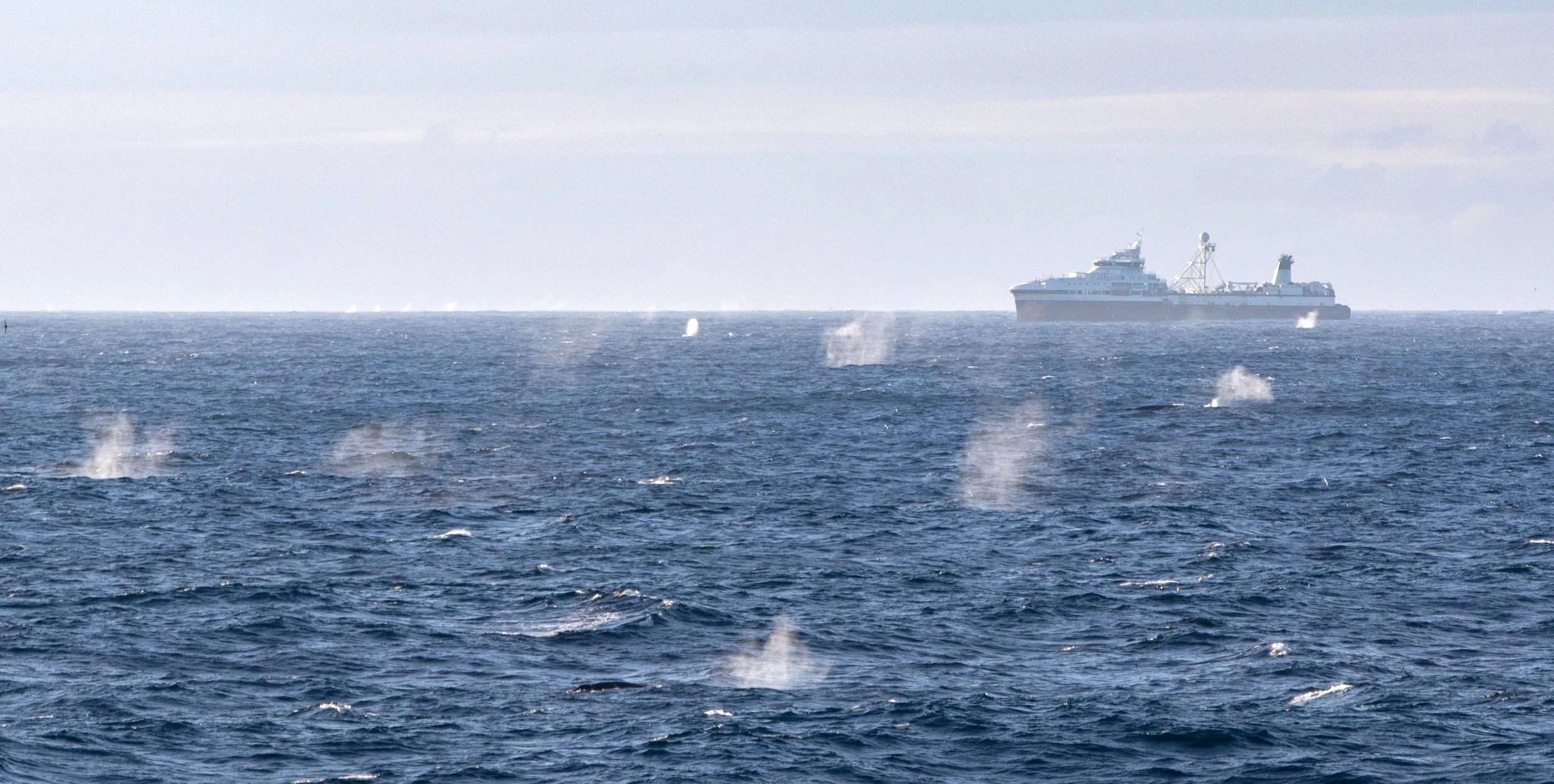
WWF objects to MSC certification of Antarctic krill fishery and urges establishment of network of Marine Protected Area in Southern Ocean. Concentrated fishing is putting wildlife that rely on krill, such as humpback whales, at risk.
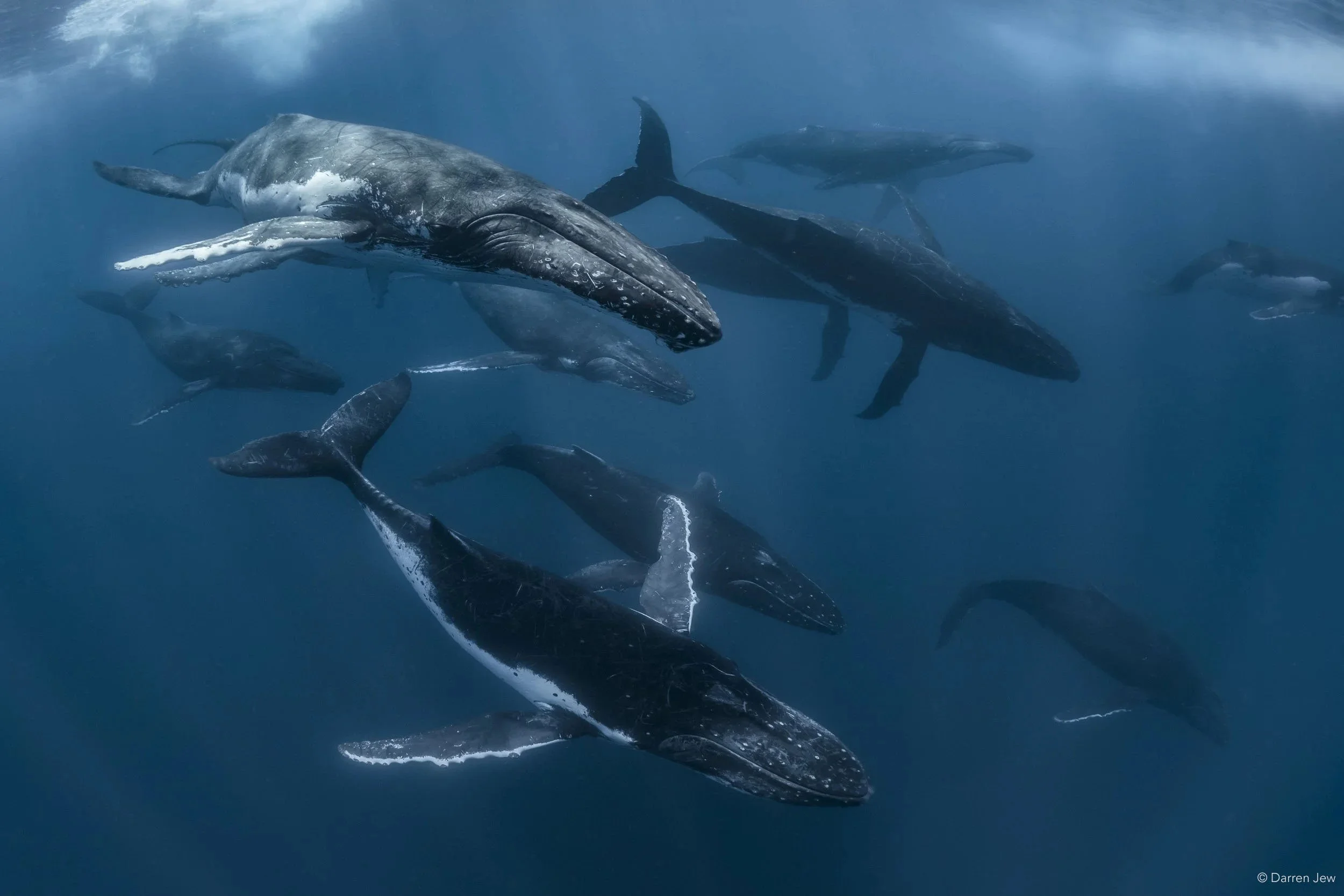
The Western Pacific Blue Corridors Forum, a three-day regional gathering from Feb 23-25, 2026, will bring together experts from the WWF, IWC and SPREP including indigenous and community leaders, fisheries organisations, government representatives and conservation practitioners to develop recommendations for national governments to advance whale conservation across the region.

This year marks 40 years since the world united to enforce a global moratorium on commercial whaling and give giants like North Atlantic right whales a chance to recover. Here’s what we’ve learned since then – and the work that still lies before us.
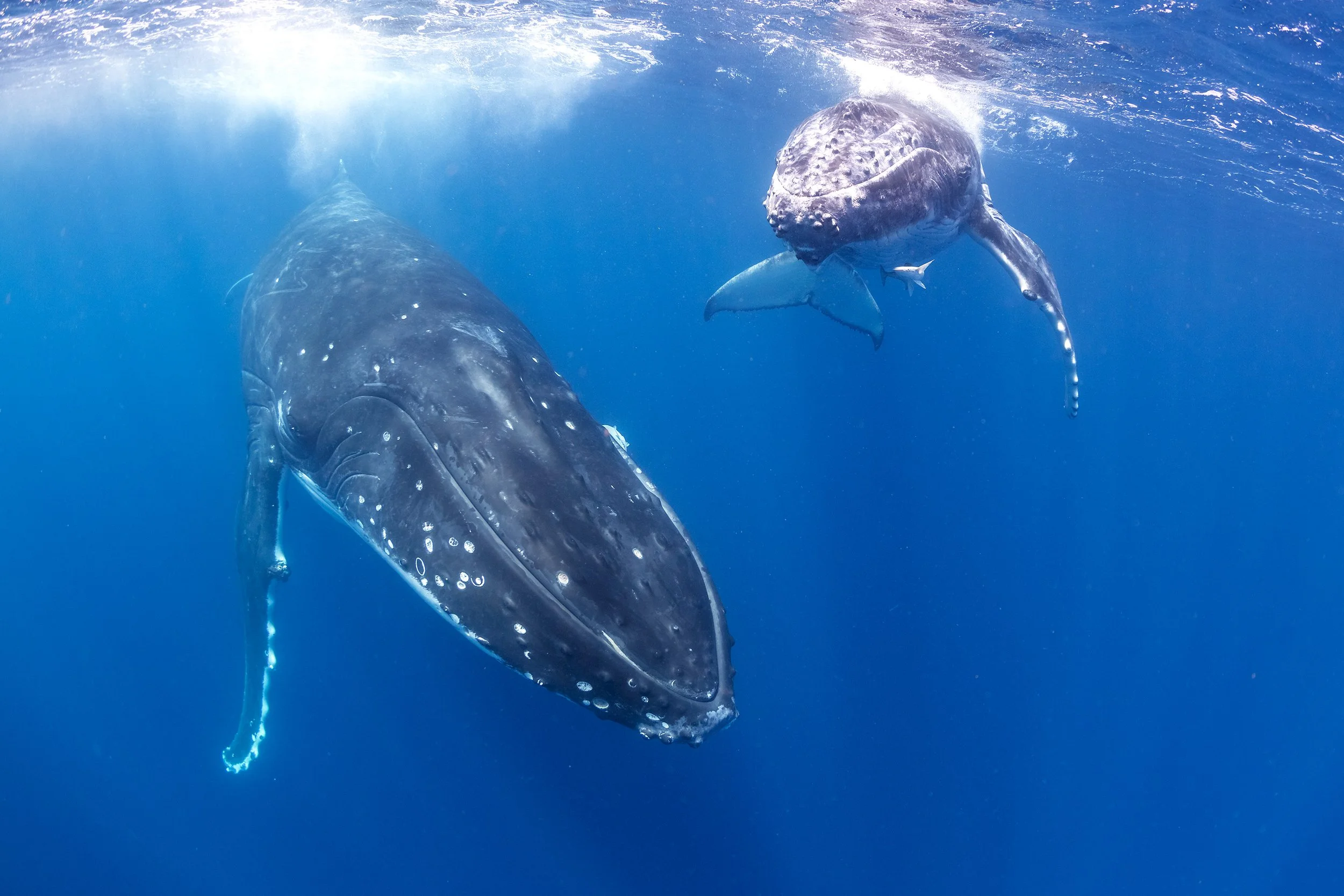
When Nations Unite, Whales Benefit: The Promise of the High Seas Treaty
A new global agreement to safeguard marine life in two-thirds of the planet's ocean is a lifeline for whales, but the next few years will be crucial.

As the third UN Ocean Conference draws to a close, WWF is encouraged by the commitments made in a number of areas, but warns that the measure of success will be in delivery.

In a major advance for marine conservation, WWF and a global coalition of leading scientists, civil society, governments, and tech innovators have launched BlueCorridors.org—a dynamic new platform that brings together three decades of whale tracking data with information on overlapping marine threats and conservation solutions. For the first time, the migratory “blue corridors” used by great whales are now digitally mapped and made publicly accessible to inform science, policy, and ocean protection efforts worldwide.