Brazil’s Blue Amazon is bursting with wildlife—but they need stronger protection
March 20, 2026
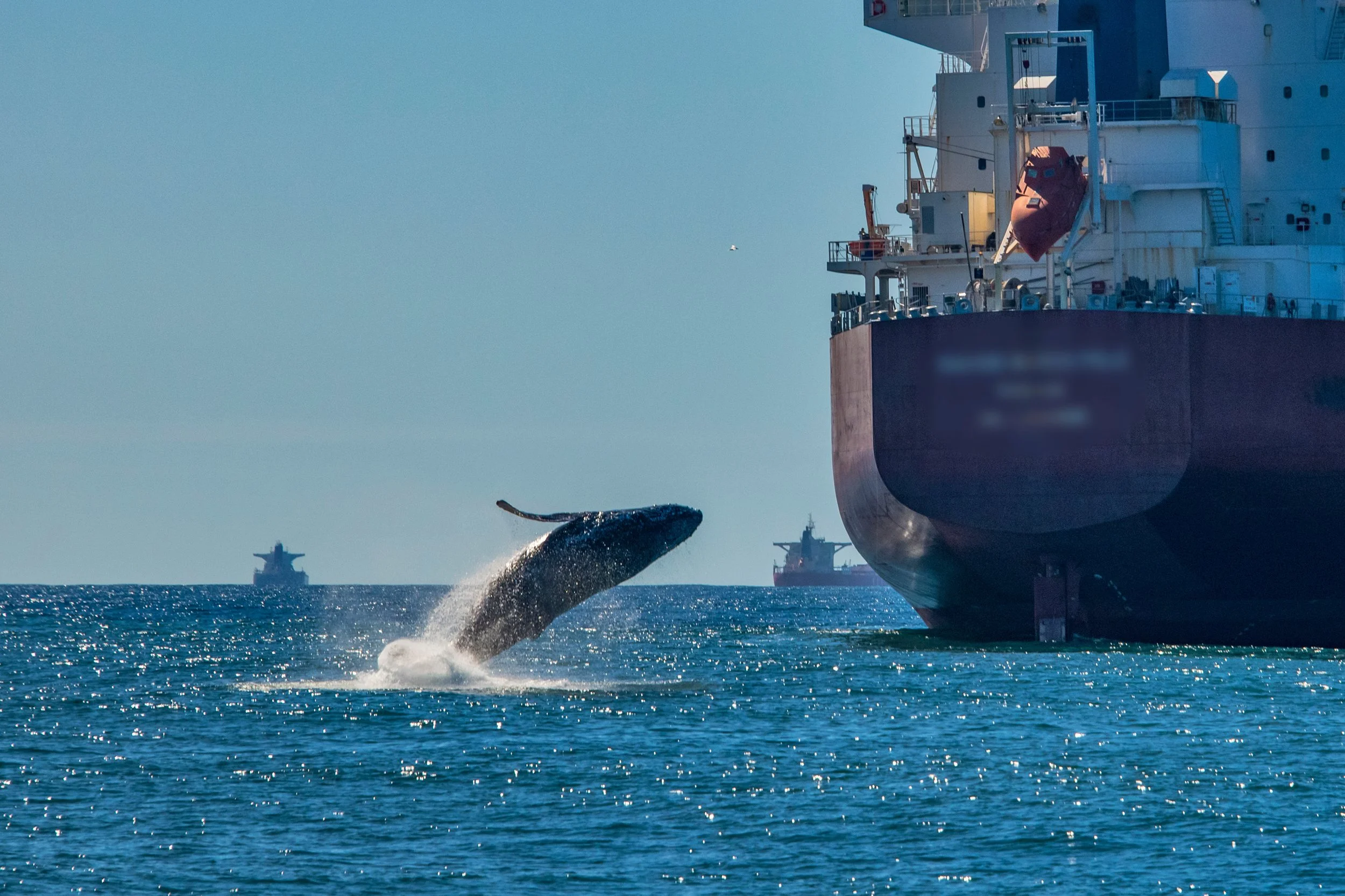
A humpback whale in Vitoria, Southeast Brazil. © Leonardo / stock.adobe.com
Have you heard of the ‘Blue Amazon’? Brazil’s massive coastline is a hotspot for marine life and, each year, whales travel thousands of kilometres to breed in its warm, nutrient-rich waters. A UN conference this month offers a key opportunity to strengthen protections for these whales and other migratory species.
Brazil has the most biodiversity on Earth. But while attention is typically fixed on the Amazon Rainforest, another wildlife hotspot goes relatively overlooked: Brazil’s coastal and marine waters.
Brazil’s marine environment makes up 40% of its territory, and its coastline stretches almost 8,000 kilometres down the Atlantic Ocean, from temperate waters in the south to tropics in the north. Known as the ‘Blue Amazon’, this coastline is home to a breathtaking diversity of wildlife, many of which are threatened with extinction such as the Franciscana dolphin, the scalloped hammerhead shark, the hawksbill turtle, and at least three species of seahorse.
It is also an essential nursery for whales, which migrate from their months-long feeding marathon in Antarctica to breed and raise their calves in Brazil's calmer, warmer waters.
Brazil is hosting a UN conference this month that will see nations collaborate to protect migrating species—officially called the Convention on the Conservation of Migratory Species of Wild Animals Conference of the Parties (CMS COP).
The Blue Amazon is globally significant, and the week-long event presents a crucial window to strengthen conservation efforts there, ensuring the marine life that crosses into its borders each season are given every chance to safely make it back out again.
A jewel of the Atlantic Ocean
Marine life in the Blue Amazon is scattered across a mosaic of habitats. There are coral species that exist nowhere else, nutrient-rich lagoons, mangroves along the entire coast, and vast meadows of seagrass.
More than 500 species live in the Abrolhos Bank alone, inhabiting mangrove forests, islands and coral reefs. Indeed, Abrolhos Bank is home to the largest coral reef system in the South Atlantic. It has been under protection in the Abrolhos National Marine Park for more than 40 years.
There are also deep-water reefs in the Noronha and Northern Seamount Chain, which act like ecological stepping stones, and a vast reef system at the mouth of the Amazon River. The river drives a powerful stream of freshwater and nutrients from the jungle to as much as 200 kilometers offshore, allowing a multitude of life to flourish.
“The nutrients get into the food chain and create very rich ecosystems,” Alex Zerbini, a Senior Research Scientist at the University of Washington, says. “The southern part of Brazil is very productive as well. A cold current comes up from the Southern Ocean and runs along the continental shelf of South America. It brings nutrients to open ocean areas offshore of Brazil, supporting biodiversity and fisheries.”
The Blue Amazon is the perfect environment for migrating whales to breed and raise their calves. "The calm coastal waters are a better environment for calves to develop in, compared to the stormy, winter Southern Ocean,” Alex says.
The most abundant migratory species here are humpback whales, southern right whales and Antarctic minke whales, each travelling from the Southern Ocean to different regions along Brazil’s coastline. Southern right whales skirt the shore in southern Brazil, minke whales enter the very north-east tip of South America, and humpbacks breed in the vibrant Abrolhos Bank.
Their presence—whether breaching the surface, singing or waving their fins—reminds us that hidden from sight is an ecosystem teeming with life, in all its colourful variety. Whales and their calves are not only ambassadors of this underwater world, but also play an active role maintaining its health.
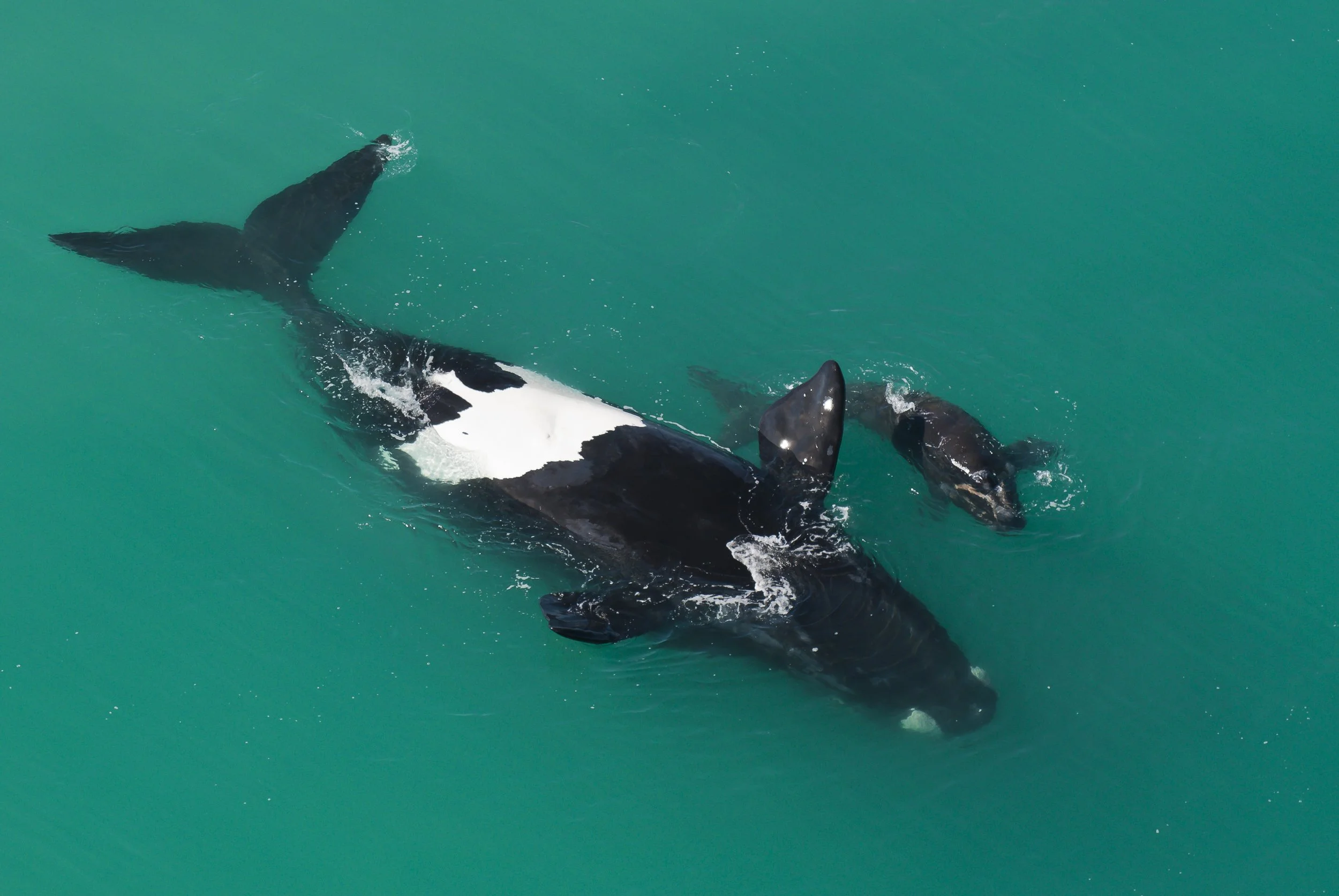
A southern right whale mother and calf. © Peter Chadwick / WWF
Under threat and poorly protected
We are at risk of losing this unique marine life, as climate change, shipping, industrial fishing and pollution take their toll in the region. As ocean temperatures rise and currents shift, whales are forced to alter their migration routes and feeding grounds, adding further pressure on already vulnerable populations.
Key breeding habitats of whales, especially humpbacks, overlap with routes of huge commercial fishing vessels. This leads to collisions and near-constant underwater noise that interferes with their ability to navigate and communicate.
With fishing vessels comes the risk of animals getting accidentally entangled in fishing gear. This hazard, called bycatch, is deadliest for calves and dolphins, such as critically endangered Lahille’s bottlenose dolphins, which has just 600 individuals left along the coast of Brazil, Uruguay and Argentina.
Plastic and chemical pollution wash into the Blue Amazon from rivers and cities. This problem is especially bad for dolphins that live in Brazil all year round. “It’s common to find plastic pieces and pieces of net in the stomachs of these animals. Contaminant levels are relatively high,” Alex says.
Strengthening marine protected areas (MPAs) increases the resilience of whales, ensuring they can continue their vital role in the ecosystem. Around 27% of the Blue Amazon is under some form of conservation protection aimed at mitigating these risks, such as the newly created Albardão Marine Park—a critical habitat spanning around 1 million hectares in southern Brazil.
But significant habitats remain unprotected, the MPA system is fragmented, and many protected areas are facing management challenges. Most protected areas in Brazil—and across Latin America—are not effectively monitored or enforced, which is key for any conservation mitigation effort to be successful. Nor are they positioned in the habitats where they’re needed most, according to research in 2025.
“Industrial fisheries find ways to fit into those regulations and continue fishing—they can find loopholes and exploit them,” Alex says. “It's important that an area-based protection proposal is enforced and monitored, otherwise legislation is just a piece of paper that doesn’t do much for the species we’re trying to protect.”
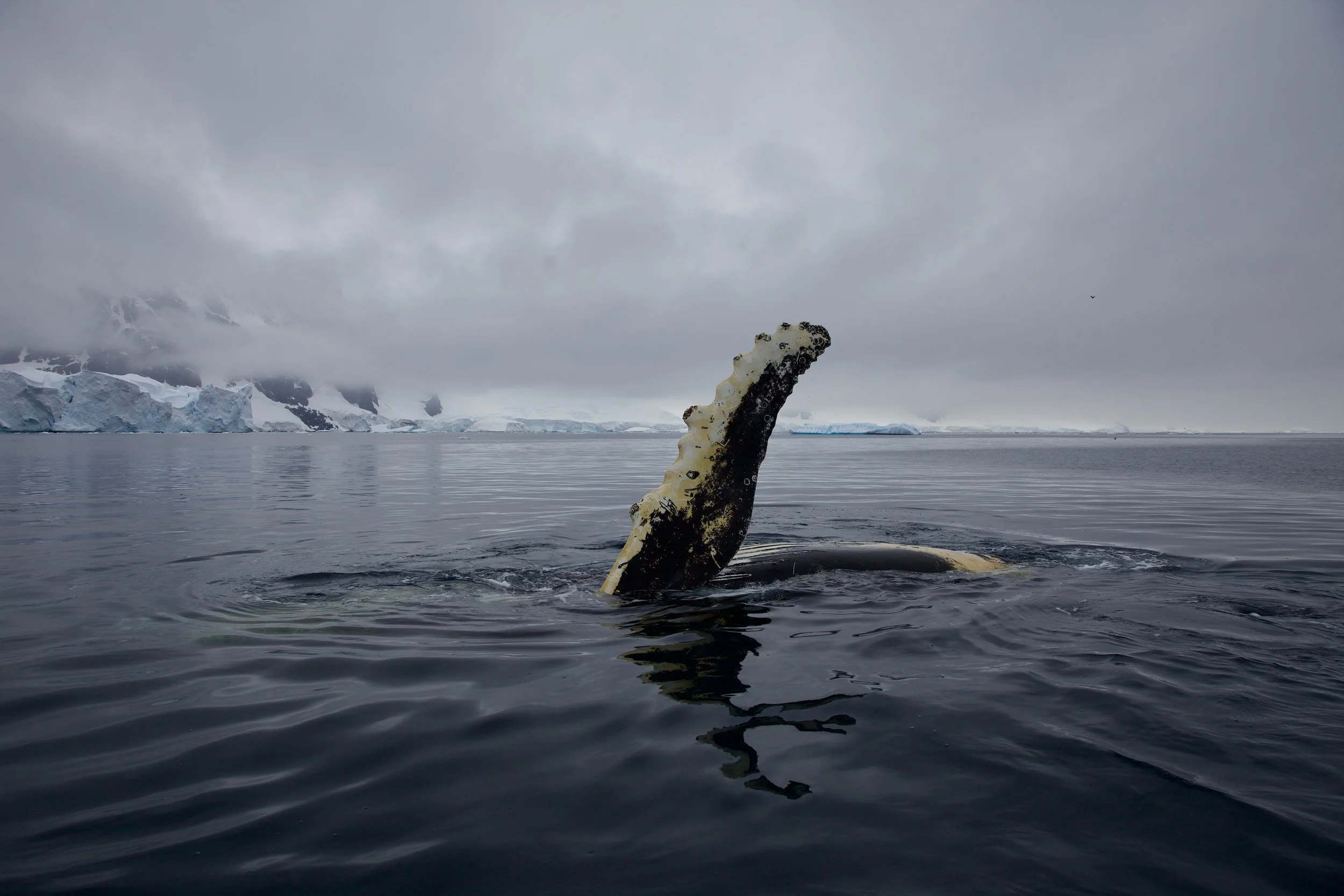
Humpback whales feed in Antarctic waters before making huge migrations to warmer waters to breed, such as in Brazil. © WWF-Aus / Chris Johnson
Bringing governments to the table
Governments and other stakeholders now have an important opportunity to build safe whale migration routes, called ‘blue corridors’, in Brazil. They can link the conservation of migratory species at the CMS with the recently ratified UN High Seas Treaty, which binds more than 80 countries to safeguard life in the vast expanses of ocean that lie outside national borders (the high seas).
Many threatened species of whales and dolphins in the Blue Amazon already have conservation management plans. These were developed by scientists, including Alex, to support species conservation under the auspices of the International Whaling Commission. The CMS has also adopted a South Atlantic action plan for large whales, reinforcing coordinated efforts across the region. Now, we need to put these plans into action.
This month's conference gives scientists a chance to engage with governments to propose key conservation measures for migratory species, from new ways to mitigate bycatch to enforcing speed restrictions on ships. It's also a crucial opportunity to expand MPAs in critical habitats like seamounts (underwater mountains) and whale breeding grounds, and advance regulations to safeguard blue corridors and marine connectivity.
“There are also proposals to study how the overlap between shipping traffic and whales occurs, and where. Based on that, we can determine where to put ship lanes,” Alex says.
The Blue Corridor Initiative is a crucial part of this research. This open-data platform collates more than 30 years of satellite tracking data of whales from over 60 science groups worldwide. It identifies not only the migration patterns of great whales, but also where whales tend to congregate. Scientists like Alex can use this information to help determine where shipping lanes can be placed and protect whales in these hot spots.
WWF is co-designing conservation strategies to better protect blue corridors with scientists, local communities and governments that will have lasting impact. At the CMS, WWF is sponsoring a side event exploring global collaboration and regional opportunities.
“Outcomes now depend on our engagement with stakeholders at the CMS,” Alex says. Stakeholders include industry bodies, coastal communities and governments.
“We know these problems exist. We know which species are affected. We have a plan to develop conservation mitigation measures. We have the data. Now, we need to sit at the table and get it done.”